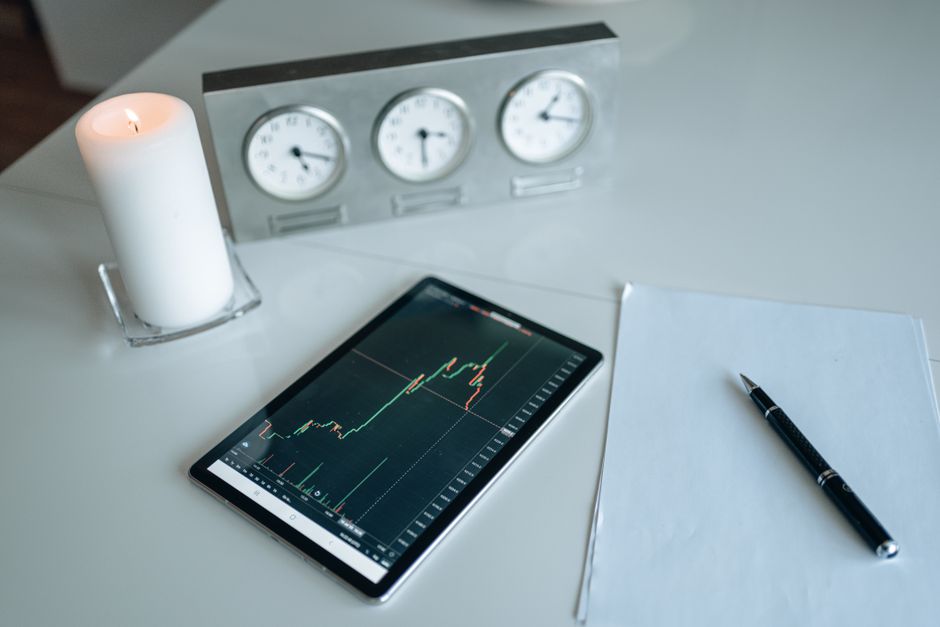
Ten minutes is not much and it is usually all there is. The evening preparation is done or it is not, and the window immediately before the open is for verification rather than thinking. The useful question for any candidate item is simple: has the absence of this check ever cost me something, and can I answer it in under a minute. Most things fail one test or the other.
Is the Platform Actually Working

The dullest check on the list and the one with the worst failure mode. Data feed connected, chart updating, account showing the right balance, order entry responsive rather than merely visible. A frozen feed does not announce itself, it just shows a chart that looks calm, and a calm chart in the first minutes of a session is indistinguishable from a broken one until you try to act on it.
Worth including here is whatever you would need if the platform failed mid session. Knowing the phone number, or that a second device is logged in, takes seconds to confirm and is unavailable to check at the moment you need it.
What Is Scheduled and Where It Traded Overnight
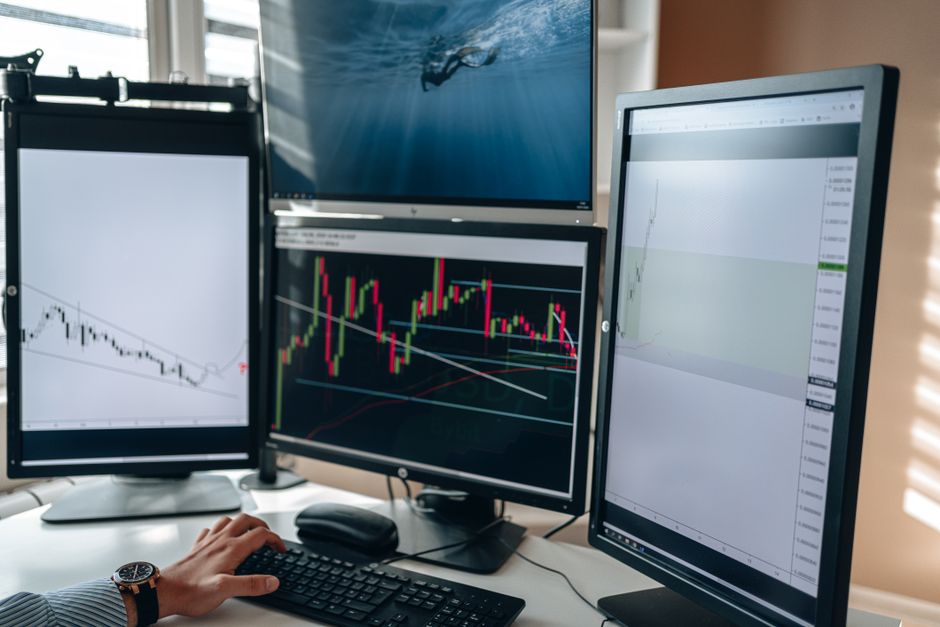
Scheduled releases landing at or shortly after the open change the character of the range, and they do so in a way that is knowable in advance and easy to forget. The check is not only whether something is scheduled but when relative to your range window. A release inside the range period and a release twenty minutes after it produce different problems, and the decision about how to handle each should already exist rather than being invented on the spot.
The related item is anything instrument specific: an earnings report, a scheduled announcement, an expiry. These do not appear on a general economic calendar and are the ones most often missed.
A quick look at the overnight session tells you whether the open is arriving into a market that has already moved. An instrument opening well away from the previous close is starting from a different reference point, and the range that forms afterwards is more likely to be a pause than a discovery. You do not need to decide what to do with that information in the pre session window. You need to have noticed it.
The same glance answers whether recent sessions have been unusually active or unusually flat, which is the context that makes the range height meaningful once it exists.
Are the Numbers Already Set
Position size, maximum loss for the session, and the exact time the range window closes should all be settled before the bell rather than computed while price is moving. Writing them somewhere visible is better than holding them in mind. A number you can see is harder to quietly revise than a number you merely intended.
This is also the place to confirm that the account can actually take the intended position, that no leftover order is sitting in the book from a previous session, and that no position is open that you had forgotten about. Stale orders are rare and expensive.
Are You Fit to Trade This Morning
The least popular item and one of the more useful. Badly slept, running late, still annoyed about yesterday, or arriving at the desk four minutes before the open with none of the above done. Any of these is a legitimate reason to sit the session out, and the only moment you can make that call cleanly is before you have looked at a chart and formed an opinion.
It works best as a written question with a yes or no answer rather than a vague intention to be self aware. Vague intentions lose to the urge to participate every time, and by the time the range is forming the question no longer feels askable.
Ordering Matters
Put the items that could cancel the session first. There is no sense confirming your position size before discovering that the data feed is stale or that a major release lands in six minutes. Anything that produces a stop decision belongs at the top, anything that only refines a trade you are going to take anyway belongs at the bottom, and if the clock runs out the bottom is what you can safely lose.